
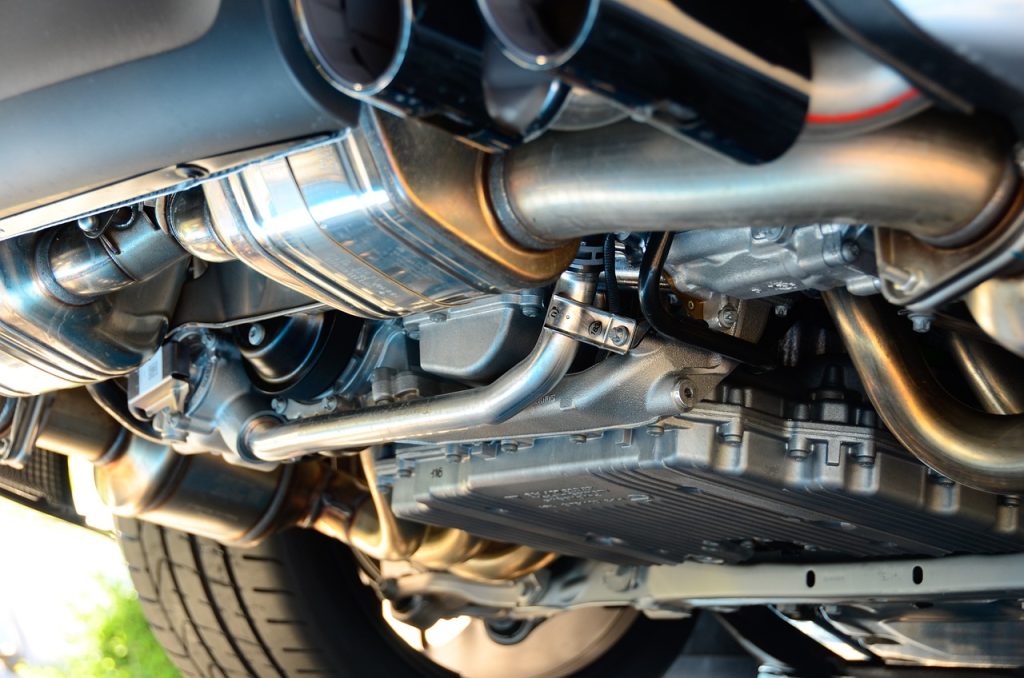
The catalytic converter is a vital component of your vehicle’s exhaust system, playing a crucial role in reducing harmful emissions and protecting the environment. When it fails, it can lead to a host of problems, from reduced performance to a failed emissions test. This comprehensive guide will provide you with everything you need to know about catalytic converter repair, helping you understand the issues, diagnose problems, and make informed decisions about repairs or replacement.
What is a Catalytic Converter and Why is it Important?
The catalytic converter is an emissions control device located in your car’s exhaust system. Its primary function is to convert harmful pollutants produced during combustion into less harmful substances. Specifically, it transforms:
- Carbon Monoxide (CO): A poisonous gas, converted into carbon dioxide (CO2).
- Hydrocarbons (HC): Unburned fuel, converted into carbon dioxide (CO2) and water (H2O).
- Nitrogen Oxides (NOx): Contributors to smog and acid rain, converted into nitrogen (N2) and oxygen (O2).
Why is this important?
- Environmental Protection: By reducing harmful emissions, the catalytic converter helps protect air quality and public health.
- Legal Compliance: In most jurisdictions, it’s illegal to operate a vehicle without a functioning catalytic converter.
- Vehicle Performance: A properly functioning catalytic converter allows the engine to breathe efficiently, optimizing performance and fuel economy.
What Causes Catalytic Converter Failure?
Catalytic converters are designed to last for many years, but they can fail prematurely due to several factors:
- Engine Misfires: Unburned fuel entering the converter can cause it to overheat and melt down. This is one of the most common causes.
- Oil Leaks: Oil entering the exhaust system can contaminate the converter’s catalyst.
- Coolant Leaks: Similar to oil, coolant in the exhaust can damage the converter.
- Physical Damage: Impact from road debris can damage the converter’s housing or internal components.
- Contamination: Using the incorrect fuel additives or fuel types can damage the converter.
- Age and Wear: Over time, the catalyst material inside the converter can degrade, reducing its effectiveness.
Signs of a Failing Catalytic Converter:
Recognizing the symptoms of a failing catalytic converter is essential for timely repairs:
- Check Engine Light: This is often the first indicator of a problem. The error code will need to be read (often a P0420 or P0430 code) to confirm the converter is the issue.
- Reduced Acceleration: A clogged converter restricts exhaust flow, hindering engine performance.
- Poor Fuel Economy: An inefficient engine, often due to backpressure from the converter, will consume more fuel.
- Sulfur Smell (Rotten Eggs): This odor can indicate a problem with the converter’s ability to process sulfur compounds in the exhaust.
- Rattling Noises: Internal damage to the converter can cause a rattling sound.
- Overheating: The catalytic converter can overheat if it’s not functioning correctly, potentially causing a fire hazard (rare).
- Failed Emissions Test: This is a definitive sign that the converter is not functioning properly.
Diagnosing Catalytic Converter Problems:
Proper diagnosis is crucial to determine if the catalytic converter is the actual problem and not a symptom of another underlying issue. A qualified mechanic will typically perform the following:
- Visual Inspection: Check for physical damage, rust, or leaks.
- OBD-II Scan: Read the trouble codes stored in the vehicle’s computer.
- Exhaust Backpressure Test: Measure the backpressure in the exhaust system to determine if the converter is clogged.
- Oxygen Sensor Readings: Analyze the readings from the oxygen sensors to assess the converter’s efficiency.
- Temperature Readings: Compare the temperature of the converter inlet and outlet to check for proper operation.
Catalytic Converter Repair vs. Replacement:
In most cases, a failing catalytic converter needs to be replaced, not repaired. The catalyst material inside the converter degrades over time and cannot be easily restored. However, there are a few exceptions:
- Minor Damage: If the converter housing is slightly damaged but the catalyst is still intact, it may be possible to repair the housing. This is rare.
- Clogging: In some cases, a clogged converter can be cleaned, but this is usually a temporary fix and is not always effective.
The Catalytic Converter Replacement Process:
The replacement process typically involves the following steps:
- Diagnosis: Confirm that the catalytic converter is the problem.
- Removal: Disconnect the old catalytic converter from the exhaust system.
- Installation: Install a new, approved catalytic converter.
- Testing: Verify that the new converter is functioning properly and that the check engine light is off.
- Welding (If Necessary): Some converters require welding to the exhaust system.
Choosing a Replacement Catalytic Converter:
- OEM vs. Aftermarket: OEM (Original Equipment Manufacturer) converters are made by the vehicle manufacturer and are typically more expensive but offer the best performance and reliability. Aftermarket converters are less expensive but may not perform as well or last as long.
- Legal Compliance: Ensure that the replacement converter is legal for your vehicle and meets all applicable emissions standards. Some states (like California) have stricter requirements.
The Cost of Catalytic Converter Replacement:
The cost of replacing a catalytic converter can vary significantly depending on:
- Vehicle Make and Model: Some vehicles require more expensive converters.
- Type of Converter: OEM converters are generally more expensive than aftermarket converters.
- Labor Costs: Labor rates vary from shop to shop.
Expect to pay anywhere from [Insert your typical price range here, research local averages].
Preventing Catalytic Converter Failure:
- Regular Maintenance: Keep your vehicle properly maintained, including addressing engine misfires, oil leaks, and coolant leaks promptly.
- Use Quality Fuel: Avoid using low-quality fuel or fuel additives that can damage the converter.
- Drive Carefully: Avoid driving through deep water or over rough terrain that could damage the converter.
The Bottom Line:
The catalytic converter is a crucial component of your vehicle, and a failing one can lead to serious problems. By understanding the causes of failure, recognizing the symptoms, and seeking professional diagnosis and repair, you can keep your car running cleanly and legally. While repair is rarely an option, replacing a faulty converter with a quality replacement is essential for maintaining your vehicle’s performance and protecting the environment.
FAQs
Can I drive with a bad catalytic converter?
While you might be able to drive with a failing catalytic converter, it’s generally not recommended. It can lead to reduced performance, poor fuel economy, potential damage to other engine components, and a failed emissions test. It can also be illegal.
How much does it cost to replace a catalytic converter?
The cost of replacing a catalytic converter can vary widely depending on the vehicle make and model, the type of converter needed, and labor costs. Expect to pay anywhere from [Insert your typical price range here, research local averages].
Is it possible to clean a catalytic converter instead of replacing it?
While there are catalytic converter cleaning products available, their effectiveness is often limited, especially for severely clogged or damaged converters. Cleaning may provide a temporary fix, but replacement is usually the most reliable solution.
What does the P0420 code mean?
The P0420 code indicates that the catalytic converter’s efficiency is below the required threshold. It’s a common code associated with catalytic converter failure.
Are aftermarket catalytic converters as good as OEM converters?
OEM converters are generally considered to be of higher quality and offer better performance and longevity. However, some aftermarket converters are also reliable and can be a more affordable option. It’s important to choose a reputable brand and ensure that the converter meets all applicable emissions standards.
Can a bad O2 sensor cause my catalytic converter to fail?
Yes, a faulty O2 sensor can cause the engine to run rich (too much fuel), which can damage the catalytic converter over time.
Will replacing my catalytic converter improve my gas mileage?
Yes, if the catalytic converter was clogged or malfunctioning, replacing it can improve your gas mileage by restoring proper exhaust flow and engine efficiency.
How do I know if a catalytic converter is original or aftermarket?
OEM catalytic converters will typically have the vehicle manufacturer’s logo and part number stamped on them. Aftermarket converters may have a different brand name or no markings at all.