
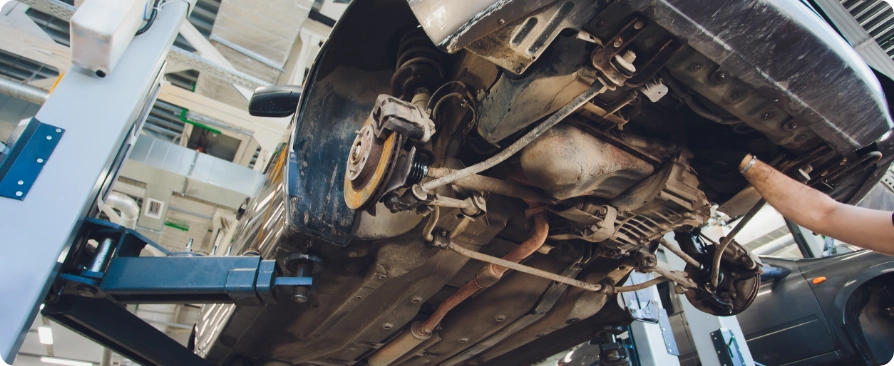
The exhaust system it’s more than just pipes that let out fumes. It’s a complex and critical component of your vehicle, affecting everything from engine performance to air quality. Many drivers don’t give it a second thought until something goes wrong. This comprehensive guide will provide you with everything you need to know about your car’s exhaust system, empowering you to better understand its function, maintenance, and potential issues.
What is the Exhaust System and What Does It Do?
Your car’s exhaust system is a network of components that work together to:
- Safely Vent Exhaust Gases: The primary function is to channel harmful exhaust gases away from the engine and passenger cabin. These gases are byproducts of the combustion process and contain toxic substances.
- Reduce Harmful Emissions: It reduces the amount of pollutants released into the atmosphere, protecting the environment.
- Minimize Engine Noise: It quiets the loud explosions happening inside your engine, making your ride more comfortable.
- Optimize Engine Performance: A properly functioning system allows the engine to breathe effectively, impacting power and fuel efficiency.
The Key Components of the Exhaust System:
Let’s break down the main parts of the exhaust system:
- Exhaust Manifold: This is the first component, directly attached to the engine. It collects exhaust gases from each cylinder.
- Oxygen Sensors (O2 Sensors): These sensors monitor the amount of oxygen in the exhaust stream. This data is sent to the engine control unit (ECU) to optimize the air-fuel mixture for efficient combustion and reduced emissions.
- Catalytic Converter: This is a crucial emissions control device. It uses chemical reactions to convert harmful pollutants (carbon monoxide, hydrocarbons, and nitrogen oxides) into less harmful substances (carbon dioxide, water, and nitrogen).
- Muffler: The muffler reduces engine noise by using a series of chambers and baffles to dampen sound waves.
- Resonator (Optional): Some vehicles have a resonator, which is another noise-reducing component, often used in conjunction with the muffler to fine-tune the exhaust note.
- Tailpipe: The final section of the exhaust system, where exhaust gases are released into the atmosphere.
- Pipes and Connectors: A series of pipes and connectors link all the components together, creating a pathway for exhaust gases to flow.
How the Exhaust System Works: A Step-by-Step Overview
- Combustion: Fuel and air are mixed and burned inside the engine’s cylinders, creating power and producing exhaust gases.
- Exhaust Manifold Collection: The exhaust manifold gathers these gases from each cylinder.
- Oxygen Sensing: O2 sensors measure the oxygen content and send data to the ECU.
- Catalytic Conversion: The catalytic converter transforms harmful pollutants into less harmful substances.
- Noise Reduction: The muffler and resonator (if present) dampen engine noise.
- Exhaust Release: The tailpipe releases the treated exhaust gases into the atmosphere.
Why is a Properly Functioning Exhaust System Important?
- Environmental Responsibility: A working catalytic converter is essential for reducing harmful emissions and protecting the environment.
- Legal Compliance: In most areas, it’s illegal to operate a vehicle with a tampered or malfunctioning exhaust system.
- Safety: Exhaust leaks can allow dangerous carbon monoxide to enter the passenger cabin.
- Fuel Efficiency: A restricted exhaust system can reduce engine efficiency and lower fuel economy.
- Engine Performance: A healthy exhaust system allows the engine to breathe freely, maximizing power and acceleration.
- Noise Reduction: A functioning muffler ensures a quieter and more comfortable driving experience.
Common Exhaust System Problems and Symptoms:
- Exhaust Leaks: These can be caused by rust, corrosion, or damage. Symptoms include loud noises, reduced fuel economy, and the smell of exhaust fumes inside the car.
- Catalytic Converter Failure: A failing catalytic converter can trigger the “check engine” light, reduce engine performance, and cause a failed emissions test.
- Muffler Damage: A damaged muffler can result in excessive noise and may require replacement.
- O2 Sensor Failure: A faulty O2 sensor can negatively impact engine performance and fuel economy.
- Rust and Corrosion: Exhaust systems are susceptible to rust and corrosion, especially in areas with harsh winters or salty roads.
Maintaining Your Exhaust System:
- Regular Inspections: Have your exhaust system inspected during routine maintenance visits.
- Address Problems Promptly: Don’t ignore exhaust system problems. Addressing them early on can prevent more serious and costly repairs.
- Avoid Harsh Driving: Rough driving, such as hitting potholes or speed bumps, can damage the exhaust system.
- Keep an Eye Out for Rust: Pay attention to rust and corrosion, and consider using rust inhibitors to protect the system.
Modifying Your Exhaust System (Considerations):
Some car enthusiasts choose to modify their exhaust systems for improved performance or a more aggressive sound. However, it’s essential to be aware of the following:
- Legality: Check local laws and regulations regarding exhaust modifications. Some modifications may be illegal if they increase emissions or noise levels beyond acceptable limits.
- Performance: While some modifications can improve performance, others may actually reduce it.
- Warranty: Modifying your exhaust system may void your vehicle’s warranty.
The Bottom Line:
Your car’s exhaust system is a complex but vital component. Understanding its function, components, and potential issues can help you maintain your vehicle, protect the environment, and ensure a safer and more enjoyable driving experience. Regular inspections and prompt repairs are key to keeping your exhaust system in good working order. When in doubt, consult a qualified mechanic for diagnosis and repair.
FAQs
How do I know if my exhaust system is leaking?
Common signs of an exhaust leak include loud noises coming from under the car, a hissing or sputtering sound, a noticeable decrease in fuel economy, the smell of exhaust fumes inside the vehicle, and a potential drop in engine performance.
Can a bad exhaust system cause my car to fail an emissions test?
Yes, a malfunctioning catalytic converter or other exhaust system problems can cause your car to fail an emissions test.
What is the purpose of the catalytic converter?
The catalytic converter converts harmful pollutants in the exhaust gases (carbon monoxide, hydrocarbons, and nitrogen oxides) into less harmful substances (carbon dioxide, water, and nitrogen), significantly reducing emissions.
Is it legal to remove my catalytic converter?
No, it is illegal to remove or tamper with a catalytic converter in most jurisdictions, including the United States, if it results in the vehicle no longer meeting emissions standards. There are significant fines for doing so.
What is the average cost to replace an exhaust system?
The cost of replacing an exhaust system can vary greatly depending on the vehicle make and model, the type of system, and labor costs. Expect to pay anywhere from [Insert your typical price range here, research local averages]. Get quotes from multiple mechanics for the most accurate estimate.
What is the purpose of the muffler?
The muffler reduces engine noise by dampening sound waves as they pass through a series of chambers and baffles.
Can a damaged exhaust system affect my engine’s performance?
Yes, a restricted or leaking exhaust system can affect engine performance by creating backpressure, which reduces power and fuel efficiency.
How long does an exhaust system typically last?
Exhaust systems can last anywhere from 5 to 10 years or even longer, depending on factors such as driving conditions, climate, and the quality of the materials used. Regular inspections and prompt repairs can extend the lifespan of your exhaust system.