

Transmission fluid acts as the blood of your car’s transmission, making sure that all systems work properly, but at the same time providing necessary protection to gears from the wear out process. Even though this component is very important for keeping your vehicle in good condition, there are many drivers who forget about this fact. That means you may have to spend much more money than required just because of ignoring such an aspect as changing your transmission fluid. Let us try and determine its meaning and whether you must change it periodically, taking into account regular periods of replacement.
Why Is Transmission Fluid Important?
There are several reasons why this fluid is important in manual and automatic transmissions. It acts as a lubricant to lower friction and avoid wear and tear on parts. Transmission fluid also cools the system by removing the heat created due to friction and pressure. In automatic transmissions, it is a hydraulic medium to transmit power during gear changes. Finally, transmission fluid keeps the system clean by removing any contaminants in the process.
Over time, heat and use break down the fluid’s effectiveness. Old or dirty fluid loses its ability to lubricate and cool, causing internal parts to wear out faster.
What Happens If You Don’t Change It?
Not changing the transmission fluid in time will cause faster deterioration, because small bits in that fluid end up grinding, the gears and the bearings, and that grinds down parts far sooner than it should. In addition to the above, the old fluid simply becomes unable to perform one of its key tasks, which is to serve as a lubricant for the gearset. Inability to lubricate properly leads to overheating of the gears, and their twisting or warping until they finally fail. If the transmission fluid is old, it will not provide enough hydraulic pressure to maintain the gears, thus resulting in their slipping.
Neglect of the fluid over time can eventually lead to damage to the entire system. This means you may either be forced to rebuild the entire assembly or change the whole transmission unit.
How Often Should You Change Transmission Fluid?
The ideal period largely depends on the type of your car, whether it is manual or automatic, and the way you use it. The general recommendation is to change the fluid every 30,000–60,000 miles; however, you should check the instructions of your manufacturer. For manual transmissions, the schedule is often pretty similar too, so don’t assume it’s “set and forget”.
The harder your driving style is, the more you shift between hard acceleration and braking, and the heavier the cargo you tow; all these factors affect your transmission and cause more wear and tear. This means that in your case, you will have to monitor your vehicle more closely and service it regularly, replacing the transmission fluid more frequently.
Check your vehicle’s manual for the specific maintenance interval recommendations.
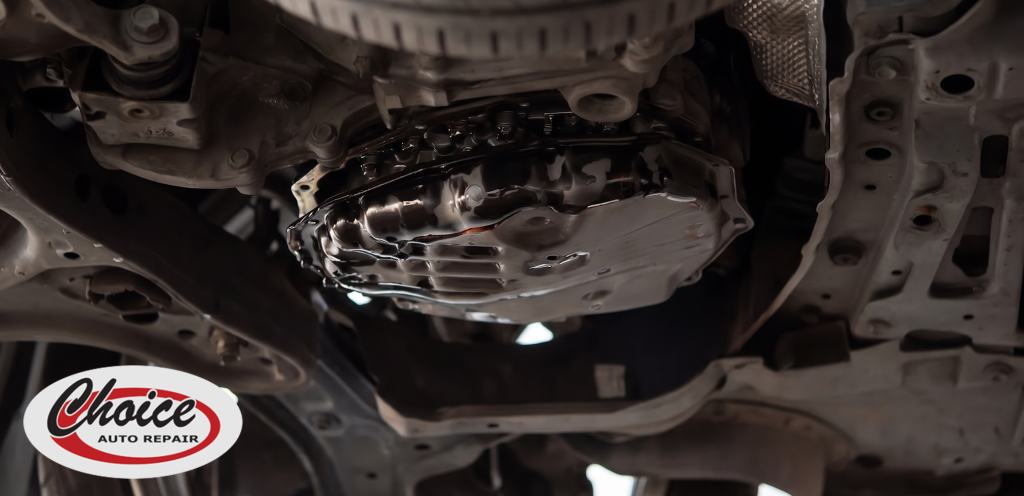
Signs Your Transmission Fluid Needs Changing
Look for the following signs: slow shifting and problems with shifting gears, weird sounds including grinding or whining, transmission slipping, dark color and burning smell of the fluid, and fluid leaks below your car.
If you notice any of these issues, have your transmission inspected as soon as possible.
The Fluid Change Process
Changing transmission fluid is more involved than an engine oil change. Here’s what typically happens during a professional service:
- The technician drains the old fluid from the pan.
- The filter (if applicable) is replaced.
- The pan gasket is replaced to prevent leaks.
- Fresh manufacturer-recommended fluid is added.
- The technician checks for leaks and tests driveability.
Some shops offer a “fluid flush” service that replaces nearly all old fluid with new using specialized equipment, consult your mechanic about which option is best for your car.
Can I Change It Myself?
If folks are pretty sure of what they can do with the job, and they have the needed kit and instruments in hand to switch the fluids, then there’s a decent chance they’ll handle changing the transmission fluid by themselves. Still, when you get to the risks that can pop up while doing it, it may be smarter to reach out to a professional mechanic instead.
Long-Term Benefits
Frequently changing transmission fluid provides numerous benefits for a vehicle owner. Firstly, it significantly prolongs the life of one of the most costly parts of a vehicle. Secondly, it makes shifting performance smoother and reduces the chances of overheating and failure of your car’s transmission.
Thirdly, regular maintenance of the transmission saves you from numerous problems. Furthermore, timely changing of transmission fluid is a way to preserve the resale value of your vehicle.
People buying cars usually prefer to spend more money on those vehicles whose owners provide regular service to them. In this case, the chance of running into serious problems in the future will be minimized.
Make The Right Choice: Choice Auto Repair
Whether changing transmission fluid is entertaining or not does not really matter, as this is one of the most effective ways to prolong your car’s lifecycle. If you are not sure when your transmission fluid was changed since the last time, give our pros here at Choice Auto Repair in Raleigh, NC, a call today at (984) 363-4876!