
Your vehicle’s brakes are arguably its most critical safety feature. They are responsible for bringing your car to a controlled stop, preventing accidents, and protecting you and your passengers. While many drivers take their brakes for granted, understanding the importance of regular brake inspections and prompt repairs is crucial for maintaining your safety and the safety of others on the road. This article will delve into the reasons why brake maintenance is so essential and what you should look for.
Why are Brake Inspections and Repairs So Important?
- Unmatched Safety: Properly functioning brakes are essential for avoiding collisions. Regular inspections ensure your brakes are performing optimally and can stop your vehicle effectively in emergency situations.
- Preventing Accidents: Worn or damaged brake components can significantly reduce your stopping power, increasing your risk of an accident.
- Protecting Lives: Brake failure can have devastating consequences, potentially leading to serious injuries or fatalities.
- Maintaining Vehicle Control: Even if your brakes still work, worn components can cause uneven braking, pulling to one side, or a spongy pedal feel, all of which can compromise your control of the vehicle.
- Saving Money: Addressing minor brake problems early on is almost always cheaper than dealing with major repairs or accidents resulting from brake failure.
- Extending Brake System Life: Regular maintenance, including inspections and timely repairs, helps keep the entire brake system in good condition, potentially extending its lifespan.
Key Components of the Brake System:
To understand the importance of brake inspections, it’s helpful to know the main components of the system:
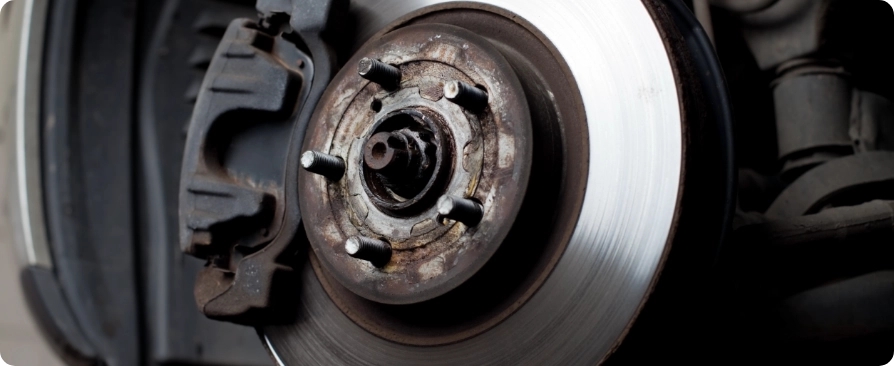
- Brake Pads/Shoes: These are the friction materials that press against the rotors or drums to slow the wheels.
- Rotors/Drums: These are the spinning metal discs or cylinders that the brake pads or shoes press against.
- Calipers/Wheel Cylinders: These are the hydraulic components that force the brake pads or shoes against the rotors or drums.
- Brake Lines: These are the hoses that carry brake fluid from the master cylinder to the calipers or wheel cylinders.
- Master Cylinder: This is the hydraulic pump that supplies brake fluid to the entire brake system.
- Brake Booster: This is a vacuum-assisted device that amplifies the force you apply to the brake pedal.
- Anti-Lock Braking System (ABS): This is an electronic system that prevents the wheels from locking up during hard braking, allowing you to maintain steering control.
Common Brake Problems and Symptoms:
- Squealing or Screeching Noises: This is often a sign that the brake pads are worn down and need to be replaced.
- Grinding Noises: This indicates that the brake pads are completely worn down and the metal backing plates are rubbing against the rotors, causing damage.
- Spongy or Soft Brake Pedal: This can be caused by air in the brake lines or a problem with the master cylinder.
- Pulling to One Side During Braking: This can be caused by uneven brake wear, a sticking caliper, or a problem with the brake lines.
- Vibration or Pulsation in the Brake Pedal: This can be caused by warped rotors.
- Leaking Brake Fluid: This indicates a problem with the brake lines, calipers, or master cylinder.
- Brake Warning Light On: This can indicate a variety of brake problems, including low brake fluid, ABS malfunction, or parking brake engagement.
What Happens During a Brake Inspection?
A thorough brake inspection typically includes the following:
- Visual Inspection: The mechanic will visually inspect the brake pads/shoes, rotors/drums, calipers/wheel cylinders, brake lines, and master cylinder for wear, damage, leaks, and other problems.
- Brake Pad/Shoe Measurement: The mechanic will measure the thickness of the brake pads/shoes to determine how much friction material remains.
- Rotor/Drum Measurement: The mechanic will measure the thickness of the rotors/drums to check for wear and warping.
- Brake Fluid Inspection: The mechanic will inspect the brake fluid level and condition. Dark or contaminated brake fluid needs to be flushed and replaced.
- Brake Line Inspection: The mechanic will inspect the brake lines for leaks, cracks, and corrosion.
- Brake Performance Test: The mechanic may perform a test drive to evaluate the overall braking performance.
When Should You Have Your Brakes Inspected?
- Regularly: It’s recommended to have your brakes inspected at least once a year, or more frequently if you do a lot of driving in stop-and-go traffic or hilly terrain.
- Whenever You Notice Symptoms: If you notice any of the symptoms of brake problems listed above, have your brakes inspected immediately.
- Before Long Trips: It’s always a good idea to have your brakes inspected before embarking on a long road trip.
The Importance of Using Quality Brake Components:
When it comes to brake repairs, it’s important to use high-quality brake components from reputable brands. Cheap or inferior brake parts may not perform as well and may wear out quickly, compromising your safety.
The Bottom Line:
Your vehicle’s brakes are essential for your safety and the safety of others. Regular brake inspections and prompt repairs are crucial for maintaining a safe and reliable braking system. Don’t take your brakes for granted – schedule a brake inspection today!
FAQs
- How often should I replace my brake pads? The lifespan of brake pads varies depending on driving habits, vehicle type, and the quality of the pads. Generally, brake pads should be replaced every [Insert your typical mileage range here, research local averages, e.g., 25,000 to 70,000 miles].
- What does it mean to “bleed” the brakes?
Bleeding the brakes is the process of removing air from the brake lines. Air in the brake lines can cause a spongy brake pedal feel and reduce braking performance. - Q: Can I replace my brake pads myself? Replacing brake pads is a task that some experienced DIYers can handle. However, it’s important to have the proper tools and knowledge. If you’re not comfortable working on your brakes, it’s best to consult a qualified mechanic.
- What is ABS and how does it work? ABS (Anti-Lock Braking System) is an electronic system that prevents the wheels from locking up during hard braking. This allows you to maintain steering control and stop more effectively.
- What should I do if my brake pedal goes all the way to the floor? If your brake pedal goes all the way to the floor, it indicates a serious brake problem, such as a leak in the brake lines or a problem with the master cylinder. Pull over to the side of the road immediately and call for assistance.
- What is the difference between disc brakes and drum brakes? Disc brakes use brake pads to clamp down on a rotor to slow the wheels, while drum brakes use brake shoes to press against the inside of a drum. Disc brakes generally offer better stopping performance than drum brakes.
- Why does my car pull to one side when I brake?
Pulling to one side during braking can be caused by uneven brake wear, a sticking caliper, or a problem with the brake lines. This is a serious safety issue and should be inspected by a qualified mechanic. - What is brake fluid, and why is it important?
Brake fluid is a hydraulic fluid that transmits pressure from the master cylinder to the calipers or wheel cylinders. It’s important to use the correct type of brake fluid and to keep it clean and free of contaminants.