
Your tires are the only interface your vehicle has with the road and are directly responsible for whatever you’re doing when you’re driving. Every pothole and turn, your tires are giving you the friction and traction that you need to navigate through these turns. Your tires also cushion and absorb road shock, giving you a smoother and more stable ride.
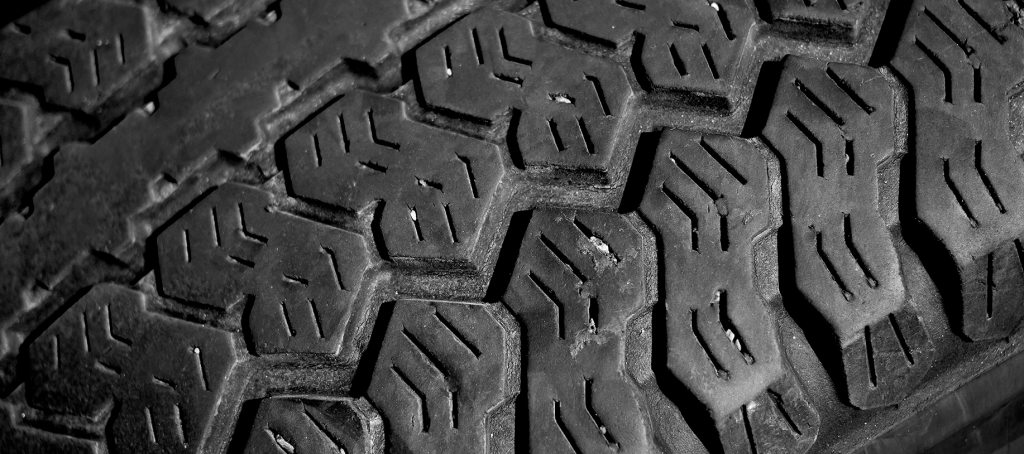
Tire tread is the patterned rubber that has direct contact with the road. The grooves and channels you notice aren’t present for aesthetic purposes, those have some very important functions which keep you safe on the road.
The Importance of Tire Tread
The relevance of tread is evident when you drive in the rain. It’s those meticulously engineered patterns that are driving water away from your tire contact patch on the road. With insufficient tread depth, water accumulates quicker than your tires can expel tread water and creates a thimble of water over the road that will lift your tires up out of the road for a fraction of a second. That’s hydroplaning, and it will lose you control of your vehicle for a fraction of a second.
Preventing Hydroplaning with Effective Tread Maintenance
Prevention starts with the right tread depth. As you gradually wear down your tread, its water-moving ability is dramatically diminished, and you’re at the whim of rainstorms or wet roads. Educating yourself on how your tire tread works is your ticket to safer wet road driving and arrival at all your excursions.
Choosing the Right Tire Tread Pattern for Your Vehicle
To appreciate just how much the tire treads are needed, consider them the interface between your car and the road. The channels and grooves carved into the tire are not cosmetic, its form is the reason why it can excavate into the road and push force to push water, snow, and road debris out of the contact patch. It is this double purpose that makes your tires adhere to the road even in less-than-perfect conditions.
Various driving conditions require various tire tread patterns. These are the basics of the most common ones:
1. All-Season Tires
All-Season Tires are the tire jack-of-all-trades. They possess modest tread depth and symmetrical patterns that can stand up to run-of-the-mill driving conditions, from hot, dry highways in the summer to light winter conditions. For driving to work and errands about town, these handy tires likely worked just fine.
2. Off-Road Tires
Off-road tires have aggressive, chunky tread blocks with big gaps between them. They dig into mud, gravel, and rough roads, so they’re ideal for trucks and SUVs driven off the road. The compromise? They’re louder on the highway and wear out quicker on normal pavement.
3. Performance Tires
Performance tires carry unique tread designs that are meant to react quickly and offer maximum traction when driving with passion. They possess larger contact areas and proprietary groove configurations that make them superb for cornering and at high speeds, but sacrifice durability and all-weather capability.
Your vehicle type is important in choosing tire tread patterns. Trucks and SUVs would generally prefer more aggressive patterns with the ability to carry diversified terrain and heavier loads, while sedans would be best handled by touring or all-season patterns.
Measuring Tire Tread Depth Accurately: A Simple Guide
Keeping an eye on your tread depth reading isn’t so much a matter of following the law as it is of staying safe and delivering your passengers in one piece. Your tires can look fine from a distance, but your tread can drop your car’s ability to stick with the road when things go south.
The Lincoln penny test is easy and costs nothing to check your tires at home. Here’s how:
Place a penny in a location where Lincoln’s head is facing downward
Place the penny in a tread of your tire
Observe whether and when you can see the top of Lincoln’s head
Do the test in a couple of locations along each tire, like the inner, middle, and outer areas
If the whole of Lincoln’s head is visible, your tread has been worn to hazardous levels. Minimum safe tread depth is 1/16 inch, according to the National Highway Traffic Safety Administration, but it suggests replacement at 1/8 inch for optimal safety allowances.
Why these readings are important: At 1/8 inch, your tires are no longer pushing water out of the way effectively, and you’ll hydroplane. At 1/16 inch, you’re riding on fumes, your braking is more than twice as far away, and wet roads are downright dangerous.
Test your tread depth every month, particularly prior to extensive travel or inclement weather. This simple habit takes less than five minutes but could save your life.
Seeing Signs of Asymmetrical Tire Wear: What All Drivers Should Know
Your tires may be attempting to send an essential message with wear patterns. Asymmetrical tire wear happens with uneven tread patterns on the tire, and having them marked previously will cost you money, but also make you a safer driver.
Signs of Tire Wear
Look for these typical signs of tire wear:
Center wear: The Center of the tread wears more than the sides, usually due to over-inflation
Edge wear: Edges get worn out while the center is still in good condition, usually due to under-inflation
One-sided wear: Only one edge shows significant wear, pointing to alignment issues
Cupping or scalloping: Dips or scalloped patterns around the tire circumference, often from worn suspension components
Feathering: Tread ribs wear at an angle, creating a saw-tooth pattern
Understanding the Causes of Uneven Tire Wear
The cause of these trends is usually simple to pin down. Too little or too much tire pressure causes uneven highway wear. Not rotating tires repeatedly exposes the same tires to the same stresses again and again. Worn, out-of-balance wheels cause your tires to rub in in-turned angles, wearing off the rubber in the process.
The Consequences of Neglected Tire Maintenance
These aren’t pretty to look at—they’re also making your car handle poorly, lowering traction on slick roads, and requiring you to replace tires several thousand miles before they’d normally have to. A wheel alignment inspection at least once a year, or whenever you see your car pulling in one direction, gets ahead of things before they can ruin your tires.
Must-Know Tire Maintenance Tips for Extending Life: Maintaining Your Tires to Their Optimum
Taking care of your investment in tires starts with preventive, periodic maintenance. Tire care advice is not based on expert mechanical information, but on listening to a couple of smart habits that have a big impact on tire longevity.
1. Properly Inflated Tires
Your car’s maker provides detailed tire inflation recommendations for a reason. You’ll see the suggested PSI (pounds per square inch) on a label inside your driver’s door jamb or in your owner’s manual. Monitor tire pressure at least once monthly with cold tires, before you’ve traveled a mile or two. Over-inflation and under-inflation both wear down the outside edges of the tires faster and more quickly destroy the center of the tread. Both cut your tire’s life short and expose you to danger.
2. Rotate Your Tires Regularly
6,000 to 7,000 is the tire-rotation sweet spot, but always consult the car manual for guidance. The front tires will degenerate first before the rear tires due to facing steering forces, as well as, on front-wheel-drive cars, power transmission. Rotating guarantees all four tires wear out equally, towards their total lifetime, and provides even handling. The majority of drivers schedule rotations along with oil changes as a convenient reminder system.
When to Replace Tires Based on Tread Wear: Road Ready.
Learn how to replace tires based on tire wear by keeping an eye out for some pretty clear indications that it’s time to purchase new rubber. The moment your tread drops to 2/32 of an inch (or 1/16 inch), you’ve dropped below the threadbare minimum legal threshold in most states.
The penny test makes this easy to check, if you can see all of Lincoln’s head when inserted upside down into the tread groove, replacement is necessary.
Visual Inspections Reveal Additional Warning Signs
In addition to checking the tread depth, you should also perform visual inspections of your tires to look for other warning signs that indicate they need to be replaced:
- Tread wear indicators (small raised bars between treads) are becoming flush with the tire surface
- Visible cords or fabric showing through the rubber
- Cracks, bulges, or cuts in the sidewall
- Vibration or unusual noise while driving
The Dangers of Worn Tires
Driving with worn tires raises your chances of hydroplaning in wet weather, as shallow treads can’t displace the water from the contact patch. Your stopping distance is much greater, and the response of your car in emergency maneuvers is uncertain.
The Benefits of Timely Replacement
On-time replacement brings your car back to its road-holding level, reduces stopping distances, and provides you with safe handling in any weather.
Quality Tire Maintenance Services You Can Trust: Choice Auto Repair in the Raleigh Area
Your tires need professional care from experts who know how essential your tires are to your safety. We at Choice Auto Repair provide full professional tire services to Raleigh area drivers, including thorough tire inspections, tread depth checks, and full tire repair services.
Our professional technicians use the best tools and techniques to inspect your tire condition, identify potential problems in advance before they pose safety threats, and offer you authentic advice for your vehicle requirements. If it is a routine checkup, tire rotation, or replacement guidance, we are here to road-prep you.
Need to have your tire check-up scheduled? Give us a call at (984) 363-4876 today and schedule an appointment or speak with one of our qualified staff members about your tire maintenance issues.