
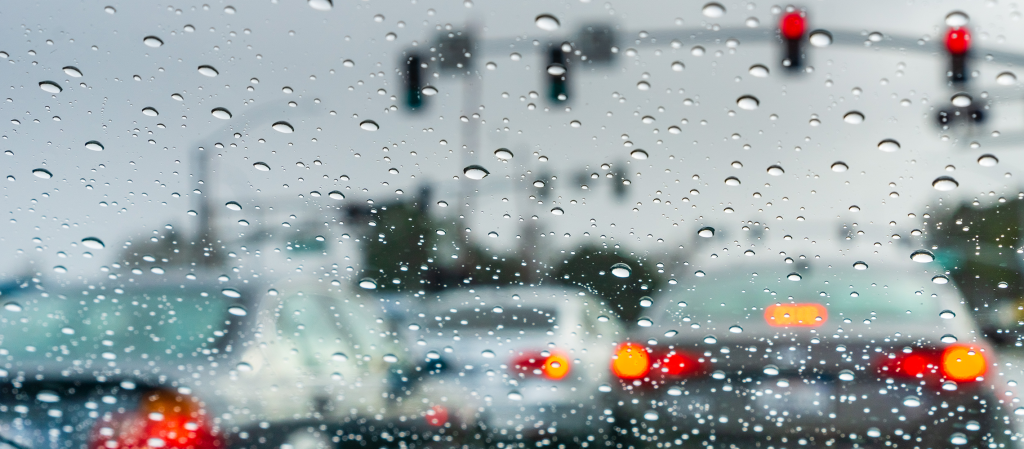
When dark storm clouds build and rain starts to beat against your windshield, the road ahead is a whole lot more hazardous. Water on the roads turns familiar streets into a slippery area where your vehicle drives in an entirely different way, and split-second decisions are what can be the difference between making it home in one piece and being in an accident.
The numbers are astounding: projections put thousands of automobile accidents annually on the highways during rain-related situations. It’s tougher to see when there is rain, roads are wet, and there are unseen dangers such as flash flooding and standing pools of water. What would normally be a routine drive in good weather now demands your full attention and altered driving.
Wet road hazard knowledge is not so much a matter of being careful, it’s understanding how rain affects the manner in which your car can be driven and the special attention that you must pay. The instant that rain hits your windshield, you’re working with lower traction on the road, longer stopping distances, and the constant risk of hydroplaning.
Rain or continuous rain, whatever, having an idea of expert driving guidelines will make your journey much safer. We will be educating you on everything you must understand regarding how to stay safe in the rain, including preparing your car and driving tips that might save your life.
Learning Wet Road Hazards
When you are traveling on a wet road, the road is not safe for your vehicle anymore. Water forms a slippery ground between your tires and the road, and that makes it more difficult to drive your car. You’ll be 2-3 times slower to stop compared to a dry road, you might take what otherwise would take 100 feet, now 300 feet.
Hydroplaning is when you’ve got more water in front of you than the tires can shove out of the way. Your tires aren’t on the road; they’re floating. If you’re loose in the turn or the car won’t turn, then you’re hydroplaning. This will typically occur when you’re traveling over 35 mph, but if you’re sleepy, then you’ll hydroplane at a lower speed.
The Risks of Flash Flooding
The threat of flash flooding introduces an entirely new degree of hazard. Six inches of current can sweep your feet out from beneath you, and twelve inches can sweep away most cars. Here are some dangers that floodwater presents for vehicles:
- Loss of engine function when water enters the air intake
- Electrical system failure from water damage
- Complete loss of control as water lifts your vehicle
- Hidden hazards beneath the surface, like washed-out roads or debris
And thin standing water can result in serious damage to the inside components of your car, making what appears to be a mere inconvenience a pricey repair, or in some instances, a fatal complication.
Rain-Safe Vehicle Maintenance Staples
The condition of your car directly affects how well it handles rainy weather conditions. Three critical components need your attention prior to the next rain.
1. Windshield Wipers: Your First Line of Defense
Functional windshield wipers initiate clear vision. Streaking, smudging, and blurred spots created by dull blades make it virtually impossible to see the road ahead in a torrent of rain when driving. Check and replace windshield wipers half yearly, or earlier if your blades chatter, skip, or don’t clean through at all. A wiper check only takes seconds, but it will help prevent getting you into possibly lethal situations where you’re driving effectively blind.
2. Car Tires: Wet Weather’s Management Key
Your tires are your car’s sole point of contact with the road. When you inspect tire tread for wet driving, it should have at least 4/32 of an inch, less than that substantially raises hydroplaning risk. The penny test provides you with a simple test: place a penny in the tire tread with Lincoln’s head facing down. If you can see the whole top of his head, tire-changing time is fast approaching. Correct tire pressure is also important, as low-pressure tires steal your car’s ability to blow water away.
3. Car Lights: Being Seen
Rain makes it more difficult for all of us to be noticed. Get car lights serviced periodically so headlights, rear lights, brake lights, and indicator switches function effectively. Burned-out or dying bulbs will make others view you less favorably during heavy rain. Our Choice Auto Repair technicians examine your lights thoroughly during a regular tune-up and catch problems before they affect your safety. We will check all electrical connections and change the bad unit so that you become visible during rainy weather.
Expert Safety Tips for Driving During Rainy Weather
Having a well-maintained car, driving skills are the most important when the rain starts falling. How you drive your way to rain conditions keeps you safe, your passengers safe, and all the rest of us on the road with you.
1. Drive More Slowly in Rain
Rain slowing is not a suggestion but a necessity for remaining in control. Rainy roads reduce your tires’ grip so much that your car takes longer and longer to respond to your steering, braking, and acceleration inputs. Reduce speed by at least 5-10 mph less than the limit on rainy roads, and further in heavy rain or showers.
2. Increase Following Distance
Double the stopping distance to give yourself some extra breathing space. Three seconds is not sufficient on slippery roads. Have a gap of five to six seconds between the car ahead and your car. This extra space provides the response time you will require in case the traffic suddenly stops or slows down.
3. Use Headlights in Rain
Use headlights in the rain every single time, no matter the hour. It is actually illegal in most states not to use your wipers when driving. Your headlights don’t merely help you see better, they make your car visible to other drivers coping with less-than-perfect visibility.
4. Don’t Drive Through Standing Water
Steer clear of driving on standing water wherever you can. All those small puddles might conceal fatal potholes or lead to hydroplaning at a soothing 35 mph. Slow down or drive it slowly if you see water building up on the road. When driving through it, take your foot off the gas pedal and try to stay on a straight line.
Flash Flood Safety and Response While Driving
Flash flooding is among the most fatal forms of weather hazards you might encounter while driving. Although developing rains provide you with notice to modify your drive, flash floods build in a matter of moments and can instantly transform familiar highways into death riverways.
When you’re out and about enjoying weather storm time, take a moment or two to surf the FEMA Flood Map Service Center website. The handy gadget alerts you to the hot spots of flooding near you, and you can chart block-around routes when it rains cats and dogs. After you’ve found those danger areas, you’ll know to steer clear of them when the weather gets ugly.
In a Flash Flood Warning: Stay Away from the Roads
If flash flood warnings are issued when you are in your location by weather forecasters, the response is straightforward: stay off the roads. No work appointment or work is worth your life. If you’re on the roads when it occurs, get to higher ground and stay there until the storm is over.
Keep in mind: Turn Around Don’t Drown
You’ve heard “Turn Around Don’t Drown”, and it just might save your life. Six inches of rushing water will sweep your feet out from under you, and twelve inches will sweep most automobiles away. Two feet of current sweeps sport-utility vehicles and trucks away. Never attempt to drive over a flooded road if you are heading for it. The depth is not visible, the roadbed below is washed away, and the stream’s power is more than it looks.
Go back, go another route, and look after yourself!
The Role of Professional Auto Repair Services in Rain Safety
Your car’s preparedness for wet-weather driving is largely a function of professional care and maintenance. We at Choice Auto Repair are skilled at weather-proofing your car by thoroughly examining all of the most important safety systems. They’re checking everything from brake function to electrical systems so that all the various components are working right when you need them to.
Our ASE-certified technicians provide a sense that makes a difference in rain-wet safety. They know what components are subjected to maximum stress when operating in wet weather and exactly what to check with an inspection. From your tire tread depth test to your wiper blade condition inspection, their careful attention dictates issues before they become hazardous conditions.
Regular car maintenance appointments give you confidence that your ride can handle whatever Mother Nature throws your way. We at Choice Auto Repair have packages to get your car winter, spring, summer, and fall ready for each season, tackling the maintenance issues as well as the weather-specific issues to keep you safe and your friends and family safe, too.
Make The Right Choice: Choice Auto Repair
Rainy weather doesn’t need to take you by surprise. If you keep vehicle maintenance ahead of storm seasons, you are keeping your safety and sanity as the top priority. Safe rain driving begins far ahead of the first raindrops hitting your windshield, it begins with preventive vehicle maintenance and preparation.
Tired of worrying about your car’s performance in whatever conditions come its way? Call us today at (984) 363-4876. Our ASE-certified technicians will have your car ready to take on rain, storms, and rough road conditions.