
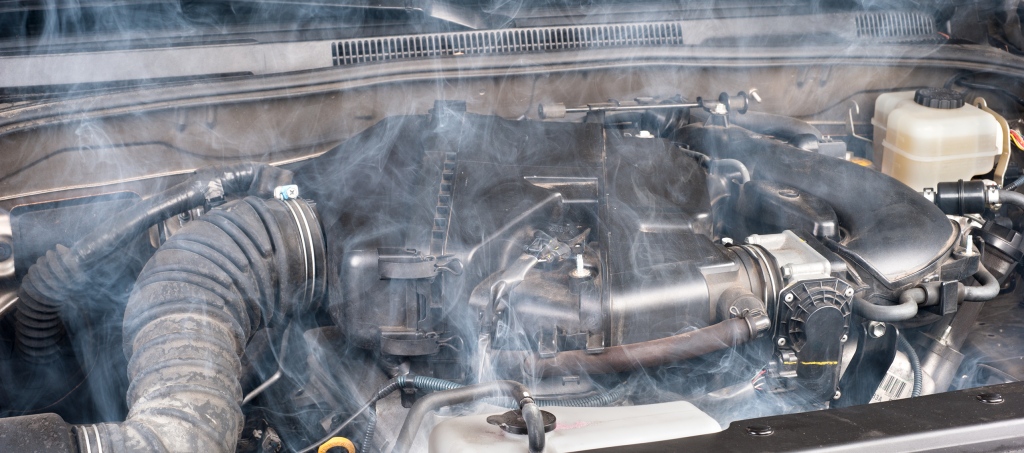
Why is my car smoking? This question crosses every driver’s mind when they notice unusual smoke coming from their exhaust or catch a whiff of something burning from under the hood. Burning oil is more prevalent than you can even imagine, affecting cars of all models and ages.
The signs of burning oil are impossible to ignore once one knows what to look out for:
Blue smoke coming from the exhaust that seems particularly apparent during startup or acceleration
Pungent burning oil smell surrounds your engine bay
Abnormally shaped smokes that are unlike normal water vapor
Recognizing these signs early on may prevent you from having to spend thousands of dollars to fix your engine. Prevent engine overheating by monitoring your temperature gauge regularly and repairing cooling system problems immediately. Overheating increases component wear, which can cause the piston rings and valve seals (among other parts) to degrade before they would have with normal wear and tear.
You can do a number of things up front to avoid oil-burning engine damage:
This occurs when oil leaks from frayed seals or malfunctioning parts into zones where fuel is burned. Your combustion chamber in your engine is meant for a fuel-air mixture to drive your car. When oil gets into the chamber, it is burned together with gasoline, leading to an inefficient combustion process.
Excessive oil consumption creates many performance problems:
Lower engine horsepower and acceleration
Poor fuel economy through incomplete combustion
Higher emissions and ecological footprint
Carbon deposit on engine parts
The oil-burning causes range from slight seal wear to extensive internal destruction. What might begin as a slight leak may rapidly grow, and if not addressed, can result in catastrophic engine destruction. Your engine is dependent on exact oil levels and clean burning to run effectively, so the importance of early discovery cannot be overstated in order to avoid costly repairs.
Common Causes of Burning Oil
Several mechanical issues result in burning oil in your vehicle, each requiring a different approach to repair. Being aware of these causes enables you to clearly describe the problem to your mechanic and make wise decisions about maintaining your vehicle.
Worn Internal Engine Components
Piston rings are essential seals between your engine pistons and cylinder walls. Through use, as the rings get older, they wear and begin to leak, and oil finds its way into the combustion chamber. Worn valve seals up top on your engine likewise let oil seep down where it shouldn’t, getting mixed in with fuel as it burns.
The cylinder wall wear itself can exacerbate the above problems. Damaged or scored cylinder surfaces impede the right sealing, create more passageways for oil to access combustion areas.
PCV System Malfunctions
Your Positive Crankcase Ventilation (PCV) valve controls pressure in your engine crankcase. PCV valve malfunctions include too much pressure accumulation that forces oil through seals and gaskets. A clogged or seized PCV valve spoils this sensitive pressure balance, forcing oil into areas where combustion takes place.
Oil Viscosity Problems
Employing the wrong oil viscosity creates lubrication issues throughout your engine. Oil that is too thin drains away too easily through worn seals, and oil that is too thick does not circulate well and produces insufficient lubrication and increased wear on moving parts.
Heat-Related Damage
Excessive heat engine running doubles the deterioration of seals, gaskets, and other engine components. Heat stresses these items, making them brittle and crack, providing a new route for oil to leak into the combustion chambers.
Discovering Signs Your Car Is Burning Oil
Knowing the signs of burning oil will save you from incurring expensive engine repairs later on. Your car will normally provide you with numerous clear signs once it begins burning excessive oil.
Visual and Sensory Clues
The earliest indication is blue exhaust smoke when you start the car or when you are accelerating. This blue-colored smoke is characteristic compared to white steam or black soot, a sign that oil has found its way into the combustion chamber. Another sign you will see is a burning odor close to the engine compartment – a sharp, pungent smell that becomes stronger when the engine is hot.
Decreased engine performance will typically accompany oil-burning problems. Your car will be slow, rough-running, or lose power during acceleration. If you’re topping off between regular changes consistently, that frequent use is a sign of a problem to be resolved.
Dashboard and Dipstick Warnings
Watch for the oil pressure light illuminating on your dashboard, which can indicate low oil levels from excessive burning. Regular oil dipstick checks become crucial – look for:
- Oil levels are dropping faster than normal
- Dark, dirty oil that appears burnt or gritty
- Metal particles or debris in the oil
- Unusual oil consistency or texture
These physical signs on your dipstick provide concrete evidence of oil-burning issues before they escalate into major engine problems.
Diagnosing Burning Oil Problems
When you diagnose why your car smells like burning oil, a systematic approach helps pinpoint the root cause. Start with a thorough visual inspection of your engine bay, focusing on these key areas:
1. External Leak Inspection
Check these areas for any signs of oil leaks:
- Check the area around the valve cover gasket for oil dampness or leaks
- Check the oil filter for correct tightness and for leaks
- Check the oil pan underneath your car for cracks, dents, or active leaks
- Check oil spots in your driveway or parking lot
2. Crankcase Inspection
- Check these regions of your engine’s crankcase:
- Check oil levels not higher than the maximum marking on your dipstick
- Check for abnormal oil texture or contamination
- Listen for strange engine noises that might indicate internal wear
Following indications of burning oil in a vehicle entails a distinction between outside and inside burning. Outside burning leads to visible oil puddles in addition to smoke from hot engine parts, while inside burning leads to blue smoke from the exhaust pipe in addition to excessive oil consumption without any external indicators.
You can use professional testing tools to monitor levels of compression, conduct leak-down tests, and scan exhaust emissions to check whether oil burning in your engine is being caused by worn-out internal components or a malfunctioning external system.
Repair Solutions by Cause
Depending on the cause of the burning oil determination, the solution to the burning oil problem is quite different for each cause. Your auto repair solution should correlate with the area and severity of the condition.
Simple Fixes for Minor Issues
Some burning oil problems have straightforward solutions:
PCV Valve Replacement – A faulty PCV valve typically costs under $50 to replace and can resolve pressure-related oil burning within an hour of work
Oil Grade Correction – Switching to the manufacturer-recommended oil viscosity often stops minor oil consumption, especially in high-mileage vehicles
External Leak Repairs – Tightening a loose oil filter or replacing a worn valve cover gasket addresses oil burning from external sources
Major Internal Repairs
When internal engine components cause the problem, repairs become more complex and costly:
Piston Ring Replacement – Requires partial engine disassembly and can cost $1,500-$3,000 depending on your vehicle
Valve Seal Replacement – Involves removing cylinder heads, with costs ranging from $1,000-$2,500
Cylinder Wall Reconditioning – May require engine rebuilding or replacement in severe cases
The repair choice depends entirely on accurate diagnosis. A faulty valve seal will appear to be a tremendous undertaking, but trying an easy replacement of a PCV valve won’t solve the underlying problem. Expert evaluation guarantees you’re paying for the correct repair and not patch jobs that enable future engine wear.
Preventing Engine Wear from Burning Oil
Regular maintenance inspections serve as your first line of defense against costly engine repairs. Scheduling oil changes every 3,000 to 5,000 miles allows technicians to spot early warning signs before they escalate into major problems. During these visits, you should request checks for:
- Oil level consistency between services
- Engine temperature readings during operation
- Visual inspection of exhaust smoke color
- PCV valve functionality testing
- Oil filter condition assessment
Prevent engine overheating effects by monitoring your temperature gauge regularly and addressing cooling system issues promptly. Overheating accelerates component wear, causing piston rings and valve seals to deteriorate faster than normal operating conditions would allow.
You can take several proactive steps to prevent engine damage from oil burning:
Use manufacturer-recommended oil viscosity grades
Replace air filters to ensure correct airflow
Repair unusual noises or performance fluctuations right away
Maintain detailed maintenance records to monitor trends
Once you see blue smoke, burning oil odors, or frequent top-offs, professional assistance for burning oil symptoms is in order. Our ASE master technicians, with decades of experience, bring every diagnosis — be it a straightforward PCV valve replacement or intricate internal engine wear — to the table.
Our Raleigh, North Carolina, auto repair shop has been operating since 1991, providing complete digital vehicle inspections and explanatory summary reports. You are given a clear explanation of your car’s condition, repair possibilities, and cost. Our technicians fix anything from small oil leaks to entire engine rebuilds, giving your car the exact attention it requires to run dependably for many years to come.
Make the Right Choice: Choice Auto Repair
Don’t let burning oil problems threaten your vehicle’s performance and longevity. When you begin to notice blue smoke, catch that familiar burning odor, or find yourself frequently topping off with oil, then it is time to act. Our skilled mechanics at Choice Auto Repair know how to repair burning oil problems in cars effectively, from easy PCV valve replacements to complex internal engine repairs.
Whether you’ve got damaged piston rings, malfunctioning valve seals, or outside leaks, our ASE Master Certified technicians know how to fix and diagnose your engine issue. As your reliable car repair service in Raleigh, NC, we’re dedicated to getting your car driving efficiently and safely.
Ready to slam the brakes on your burning oil issue? Contact us today at (984) 363-4876 for industry-leading diagnostics and trustworthy repairs that safeguard your engine investment.