
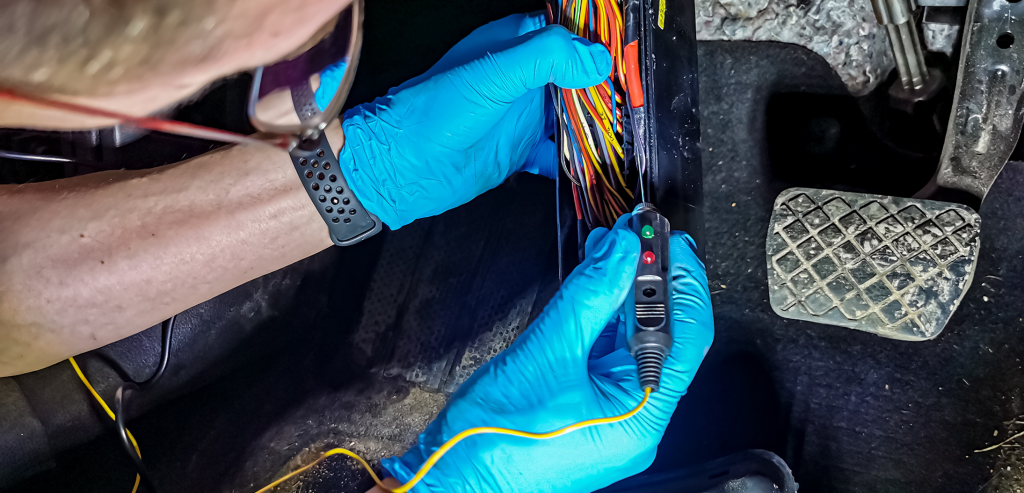
The car’s electrical system is the control center of your vehicle, managing everything from how well the engine runs to the comfort features inside. This complex system powers and regulates important parts such as:
- Engine management systems
- Headlights and interior lighting
- Radio and infotainment systems
- Electronic control systems such as airbags, locks, and transmission control
When you have electrical problems, they don’t affect just one part, they create a ripple effect that leaves your whole car in pieces. One destroyed wire or damaged component leaves you stranded with a car that won’t start. What should be a routine drive now becomes a costly tow ride.
By knowing the most common auto electrical system issues before they become serious, you can save time, money, and frustration. This manual will present the most common electrical issues drivers face and provide simple tips on avoiding these problems from occurring by surprise. With the proper knowledge and preventive methods, you can keep your car’s electrical system in top shape for a very long time to come.
Learning about the Parts of a Car’s Electrical System
Your car’s electrical system makes its way through six vital parts that speak to each other to energize everything from getting your car started to charging your cell phone. All of them have their own particular purpose to keep you safe on the road.
1. The Battery
The battery is your automobile’s electricity reserve, providing power needed to power your engine and accessories when your automobile is not running. It is your automobile’s energy heart, pumping power throughout the system.
2. The Alternator
Your automobile’s energy source, the alternator, generates electricity when your engine is running. It recharges your battery and powers all vehicle electrical accessories during driving, from lights to air conditioning.
3. The Starter Motor
The starter motor is electric-powered and cranks your engine up when you flip the key or press the start button. Your engine won’t be heard without this device.
4. Spark Plugs
Spark plugs create the very same electrical spark that ignites the fuel-air mixture within your engine cylinders. These small but mighty pieces of equipment are directly accountable for your car’s performance, fuel efficiency, and emissions.
5. Fuses
Fuses protect your electrical circuits from harm by melting the connection when there is abnormal current present in a circuit. Fuses act as safety valves, preventing costly damage to electronic equipment.
6. Electrical Connections
Electric connections are all of the wiring, terminals, and connectors that supply power throughout your vehicle, linking each device on this complex system.
Common Auto Electrical System Issues
Your automobile’s electrical system has many issues, from irritating nuisances to total breakdowns. Knowing these electrical issues helps you repair them before they add up to expensive repairs.
1. Causes of Dead Batteries
Dead battery causes tend to come from two general sources: human error or component failure. Batteries do eventually wear out and lose their ability to hold a charge over time, but leaving your headlights, interior light, or stereo on with the engine off will discharge even a good battery overnight. Cold temperatures also drain batteries and lower charging efficiency.
2. Alternator Failure Symptoms
Symptoms of alternator failure will only be apparent when your battery warning light appears on the dashboard. You will notice dimmed headlights, slow usage of electrical accessories, or your battery draining persistently even after a recent replacement. The function of the alternator is to generate electricity while driving, so when it fails, your battery will drain quickly.
3. Spark Plug Problems
Spark plug troubles manifest themselves in the form of bad acceleration, idle, gas mileage, and hard starting of your engine. Fouled or dead spark plugs are not capable of producing the good spark needed for good burning.
4. Starter Motor Problems
Starter motor problems are unmistakable – you’ll hear rapid clicking sounds when turning the key, but your engine won’t turn over. This clicking indicates the starter solenoid is engaging, but the motor itself has failed.
5. Blown Fuses in Auto Systems
Blown fuses in auto systems shut down power to some things like door locks, windows, or the radio.
6. Poor Electrical Connections in Autos
Poor electrical connections in autos of corroded, loose, or damaged wiring cause maddeningly unpredictable intermittent failures.
Your automobile communicates with you through various warning signs of electrical system breakdowns in cars that warn of perilous conditions in the motor within the hood. It is possible to interpret the signs ahead of time and avoid costly repairs and unexpected breakdowns.
Visual and Performance Indicators:
- Dimming headlights or interior lights – especially noticeable when idling or using multiple electrical components simultaneously
- Slow engine cranking – your engine takes longer than usual to turn over when starting
- Flickering dashboard lights or gauges that behave erratically
- Malfunctioning electronic accessories like your radio cutting out, power windows moving sluggishly, or air conditioning losing power
Dashboard Warning Signals:
Your car’s computer system monitoring keeps a real-time track of electrical performance and will light up individual warning lights when it detects a problem. Your battery warning light, check engine light, or your charging system warning lights are your best defense against electrical failure.
The Power of Early Detection
Finding electrical issues in their early stages prevents the chain reaction that is typical of Common Auto Electrical System Problems: How to Avoid These Common Issues. A faulty alternator detected in the early stages can be swapped out, but neglecting the signs will result in a dead battery, burnt electronic parts, and possible safety hazards. The instant you spot any set of the symptoms below, your electrical system requires the services of a professional before minor issues cascade into expensive repairs.
Preventive Maintenance Car Electrical System Tips to Prevent Electrical System Breakdowns
The best method for preventing electrical system breakdowns is prevention through being proactive with car electrical system tips of maintenance that ensure your vehicle remains in top running condition. Maintenance prevents tiny issues from becoming catastrophic breakdowns that render you stranded.
Battery Terminal Care
Clean terminals on your battery every three months with a baking soda and water paste or a wire brush. The buildup of corrosion causes resistance to the flow of electricity and forces your alternator to work harder, potentially reducing the life of both units. Remove the negative terminal first when cleaning and apply petroleum jelly afterwards in order to avoid corrosion in the future.
Annual Electrical Inspections
At least once a year, schedule comprehensive checks of your electrical system. These inspections should include:
- Testing the battery charge level
- Verifying the alternator output
- Examining major electrical connections
- Testing voltage drop across circuits
- Evaluating starter motor performance
Component Monitoring
Check your fuses monthly by consulting your owner’s manual. Replace a blown fuse, but also determine why it blew in the event that the same fuse continues to blow repeatedly. Replace spark plugs according to your manufacturer’s instructions, usually every 30,000 to 100,000 miles, depending on the type of plug you have installed there.
When you experience electrical symptoms, such as a flashing dashboard light or erratic radio behavior, do not expect that they will resolve by themselves. These are developing issues that will cost a great deal more to fix if you wait. Doing something immediately saves you money and prevents emergency roadside repairs.
How Choice Auto Repair Can Help with Auto Electrical Repairs
When you need professional auto electrical repair work in my service area, look no further than us here at Choice Auto Repair for an ASE-certified auto technician. Our experts have the advanced training and higher-quality equipment necessary to locate and repair even the most complex electrical system problems.
Our comprehensive electrical services include:
- Complete battery and alternator testing and replacement
- Starter motor diagnostics and repair
- Spark plug inspection and replacement
- Fuse box analysis and electrical connection repairs
- Advanced computer diagnostic scanning
Convenience and quality all in one place through our customer-centric approach. We offer loaner cars during qualifying repairs so that your daily routine is never disrupted. Our digital vehicle inspection program offers summary reports with pictures, keeping you in the loop with complete transparency on your vehicle status and recommended repairs.
Choice Auto Repair’s dedication extends far beyond the basic repair of short-term issues. We are committed to preventative care methods that maintain your electrical system in optimal condition, avoiding surprise breakdowns and costly emergency repairs down the road.
Make The Right Choice: Choice Auto Repair
Your car’s electrical system is worthy of as much TLC as you provide oil changes and tire rotations. Don’t ignore signs of distress such as weak headlights or slow cranks, which can escalate into full-fledged breakdowns that leave you stranded.
Don’t wait until a total electrical breakdown occurs before resorting to the services of professionals. Do you experience symptoms that we’ve mentioned or just require routine maintenance? Our ASE Master certified technicians at Choice Auto Repair are equipped to put your car in top condition.
Interested in safeguarding your investment and saving money on expensive electrical repairs? Call our pros at Choice Auto Repair today at (984) 363-4876 for thorough car repair in your community. Your reliable transportation depends on it.