
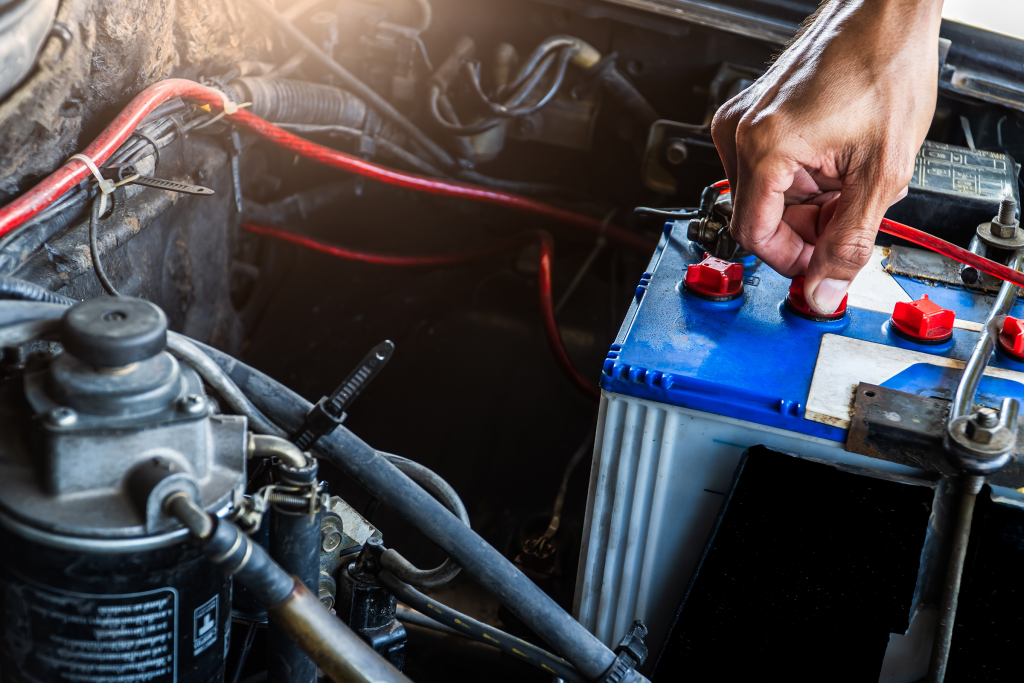
Your car battery is the electrical heartbeat of your vehicle, charging Your car battery is the electrical heartbeat of your car, powering everything from cranks in the engine to energizing current high-tech gadgets. If you don’t have a good battery, even a finely tuned engine will not crank, and you’ll be stuck sitting there when you most need your car.
Different car batteries provide dissimilar power and life, and ultimately influence the driving quality and your vehicle’s performance. A standard lead-acid battery may not be capable of meeting the energy demand of such luxuries as warm seats, GPS, and cutting-edge security features of our times. Batteries like AGM or lithium-ion have no grouse about such demands.
By understanding what kind of impact each type of battery will have on performance and battery life, you will be able to make a smart decision as to what your car needs. If you have a low-end commuter car or a newer car, selecting the right kind of battery will make the most difference in how long it will last and how often roadside assistance will have to be called.
Taking the time to find out about it will save you money on repairs, make the vehicle more reliable, and provide you with peace of mind when you are driving.
Learning About Car Battery Types
There are a number of different types of car batteries to choose from in the auto marketplace, each with a particular set of vehicle performance and operating requirements. The kind of battery that you use will have a direct impact on how well your vehicle starts, how well it powers electrical accessories, and how long it will function before needing to be replaced.
1. Lead-Acid Batteries: The Time-Honored Original
Lead-acid batteries remain the most prevalent solution for conventional combustion engine vehicles, fuelling hundreds of millions of vehicles worldwide. The batteries utilize a well-tested chemical reaction between lead plates and sulfuric acid to produce electricity, which remains the best choice for conventional cars with no complex electronic requirements.
The most striking virtues of lead-acid batteries are their affordable and dependable quality. They are comparatively less expensive than strongly technologically driven counterparts but also offer stable performance for simple vehicle operations like starting the engine, lighting the headlamp, and driving essential electrical accessories. They are even simpler in construction and therefore more accessible and easier to replace at most car repair centers.
Here are some key features of lead-acid batteries:
- Cost-effective initial investment
- Proven technology with decades of improvement
- Wide compatibility across different vehicle makes and models
- Straightforward maintenance requirements
But lead-acid batteries are not without limitations in high-energy-intensive applications. New vehicles with multiple electronic systems, heated seats, high-end infotainment systems, or stop-start cycles can deplete lead-acid batteries rapidly outside the optimum range of operation. The batteries also suffer from extreme temperatures – hot summer days can cause interior corrosion to speed up, while temperatures below freezing cut back on power delivery.
They typically take 3 to 5 years on average, but can last much less or more, depending on your usage and the weather surrounding you. In case you run short distances many times a day, the battery may not charge to full each time and thus decrease its life. Temperature ranges can also speed up battery wear and tear, reducing overall life.
2. AGM Batteries: The Next Generation for Modern Cars
Absorbed Glass Mat (AGM) batteries are a major advancement beyond conventional lead-acid batteries, created specifically for today’s cars with sophisticated electronic systems. AGM batteries boast a special design in which the electrolyte is absorbed by glass mat separators, producing a stable and more efficient source of power.
AGM batteries excel in several key areas that make them perfect for modern driving demands:
Enhanced vibration resistance – The sealed construction protects internal components from road vibrations that can damage standard batteries
Rapid recharge capabilities – You’ll experience faster charging times, essential for vehicles with stop-start technology
Superior power delivery – Ideal for cars equipped with advanced safety features like collision avoidance systems, heated seats, and premium audio systems
Maintenance-free operation – No need to check fluid levels or add water
The AGM unit’s battery life usually lasts for as long as 6 years with proper care, and is an economical option regardless of the cost. The high performance of discharging and recharging cycles of batteries makes it very suitable in high-mileage vehicles with frequent use of engine start-stop technology for better fuel efficiency.
3. Gel Cell Batteries: Strength in Hostile Environments
Gel cell batteries are a more advanced form of conventional lead-acid batteries, which have been specially designed for very harsh operating conditions that typical conventional vehicles might be unable to provide. The batteries convert liquid electrolyte to a thick, gel-like material with additives of silica, providing a completely sealed system that will never spill or leak acid.
Gel electrolyte construction makes these batteries the perfect fit for off-road excursions, marine use, and extreme weather operation vehicles. Unlike normal lead-acid batteries or even AGM batteries, gel cell batteries will deliver the same performance whether you’re driving through hot desert temperatures or freezing mountain terrain.
Key Features of Gel Cell Batteries
Deep-cycle capability: Gel cell batteries have the capability to tolerate multiple cycles of discharge and recharge without experiencing the capacity loss that is common in lead-acid battery characteristics.
Longevity: With proper maintenance, gel cell batteries may even last 6 to 8 years.
Resistance to extreme weather: Gel cell batteries are even more resistant to extreme weather conditions than common ones.
Intermittent power supply: Even when deep discharge is repeated multiple times, gel cell batteries supply a constant power output.
Extended lifespan: Gel cell batteries can enjoy the extended lifespan of heavy electrical load vehicles.
Gel cell battery advantages make them especially valuable to niche applications, but a higher price compared to conventional lead-acid batteries guarantees they’re generally relegated to cars demanding the greatest reliability and operation.
4. Lithium-ion Batteries
These are the latest generation of electric and hybrid cars. Lithium-ion batteries, in comparison with conventional batteries like lead-acid, AGM, or gel cell batteries, are light and energy-dense and hence the preferred option for hybrid and EV producers.
The lithium-ion battery’s high energy density enables it to pack a lot more power into a compact package than alternative car battery technologies. All that efficiency comes at the expense of more efficient power delivery that comfortably supports high-end auto electronics, ranging from sophisticated infotainment screens to regenerative braking systems.
Benefits of Lithium-Ion Batteries
Lithium-ion batteries enjoy numerous benefits over other battery technologies:
Excellent charge retention when your car is idle for extended periods
Longer battery life up to 10 years if well-maintained
Quick charging facilities minimize downtime
Lower maintenance compared to lead-acid battery characteristics
Disadvantages of Lithium-Ion Batteries
The primary disadvantage holding back lithium-ion batteries from being used in standard cars on a large scale is their increased initial expense. Though their longer lifetime and efficiency pay off with electric and hybrid cars, most standard combustion engine cars continue to use cheaper alternatives.
5. Improved Flooded Batteries (EFB): Stop-Start Application
Improved flooded batteries are an improvement of standard lead-acid batteries, particularly designed for use in new vehicles that are stop-start compatible. Improved flooded batteries provide improved performance compared to standard lead-acid batteries without the costs of high-performance AGM batteries.
EFB battery uses center around their superior improved cycling ability, making them ideal for vehicles that frequently restart their engines to improve fuel efficiency. The technology incorporates enhanced active material and improved grid design, allowing these batteries to withstand the repeated discharge and recharge cycles that occur during stop-start operation.
Key advantages of EFB technology include:
- Reliable power output during frequent engine restarts
- Rapid recovery capabilities after discharge cycles
- Enhanced durability compared to conventional flooded batteries
- Cost-effective alternative to AGM batteries for standard vehicles
The lifespan of EFB units remains between 5 and 6 years in normal conditions, which is the same as AGM batteries but with significantly greater value for money. This longer life, combined with their specialized construction for stop-starting applications, makes EFB batteries a great option for motorists who want better performance without spending the premium of lithium-ion or high-spec AGM batteries.
Factors That Affect Battery Life Aside from Type
The life of your battery depends on more than technology. Driving habits and battery life go hand in hand, which most drivers fail to notice. Regular short trips keep your alternator from fully charging your battery, thereby decreasing its strength. Your battery requires longer charges than just taking long trips.
Weather effects on batteries are major concerns during the year. Excessive heat accelerates chemical reactions in the battery, with faster deterioration and shorter lifespan. Cold temperatures reduce these reactions, with your battery having to provide the same amount of power but working harder.
Essential battery maintenance tips can dramatically extend your battery’s service life:
- Clean terminals regularly to prevent corrosion buildup that blocks electrical flow
- Secure mounting brackets to reduce vibration damage
- Check electrolyte levels in serviceable batteries
- Test voltage periodically to catch declining performance early
Temperature extremes combined with poor maintenance habits can cut your battery’s expected lifespan in half. A battery rated for six years might only deliver three years of reliable service without proper care and favorable conditions.
When Repair is a Viable Option versus Replacement
Not every battery issue requires a complete replacement. Car battery repair options can often restore functionality and save you money when the right conditions exist.
Common repairable issues include:
Battery terminals cleaning to remove corrosion buildup that blocks electrical flow
Loose or damaged cable connections that affect power delivery
Electrolyte replenishment in serviceable lead-acid and gel cell batteries
Electrical system faults are causing premature battery drain
Battery design has a huge influence on repairability. Lead-acid and gel cell batteries of older design provide the greatest opportunities for repair, while AGM batteries are not very serviceable due to their sealed design. Lithium-ion batteries are usually beyond do-it-yourself capability and require special equipment.
Professional diagnosis becomes absolutely essential in deciding whether it makes financial sense to repair or replace. A professional technician will inspect the internal condition of your battery, charge system test performance, and determine underlying electrical problems.
They’ll provide car battery replacement advice when repairs won’t deliver lasting results.
Age plays a crucial role – batteries approaching their expected lifespan benefit more from replacement than temporary fixes that may fail within months.
Choosing the Right Car Battery for Your Vehicle Needs
Choosing the right car battery requires careful evaluation of several key factors that directly impact your vehicle’s performance and your wallet. Your selection process should begin with understanding your specific vehicle requirements and driving patterns.
Vehicle Type Considerations
Traditional combustion engines: typically perform well with standard lead-acid or AGM batteries
Electric and hybrid vehicles: demand the superior energy density of lithium-ion technology
Vehicles equipped with stop-start systems: benefit from EFB or AGM batteries designed to handle frequent cycling
Environmental and Usage Factors
Your driving environment plays a crucial role in battery selection:
Extreme climates: require batteries with enhanced temperature resistance, like gel cell options
Frequent short trips: demand batteries with quick recovery capabilities
Off-road conditions: benefit from vibration-resistant AGM or gel cell batteries
Budget and Performance Balance
The initial investment versus long-term value equation varies significantly across battery types. While lithium-ion batteries command premium pricing, their 10-year lifespan often justifies the cost for compatible vehicles. AGM batteries offer middle-ground pricing with enhanced performance for modern electronics.
Commercial investigation of car batteries reveals that compatibility with your vehicle’s electrical system remains paramount. Advanced electronics require batteries capable of supporting multiple systems simultaneously without voltage drops that could affect performance or damage sensitive components.
Expert Car Battery Services at Choice Auto Repair
When you need expert help for car battery issues, we at Choice Auto Repair stands as your trusted partner in Raleigh, NC. Since 1991, our ASE-certified technicians have delivered comprehensive battery services that go beyond simple replacements. We understand that proper battery management forms the foundation of reliable vehicle performance.
Our full-service approach to car repair encompasses:
Complete battery diagnosis using advanced testing equipment to identify underlying issues
Professional battery repair when feasible, saving you money on unnecessary replacements
Expert installation of new batteries with proper terminal cleaning and connection securing
Maintenance guidance tailored to your specific battery type and driving conditions
Performance optimization ensures your battery works harmoniously with your vehicle’s electronics
As your dedicated auto repair Raleigh, NC specialists, we recognize that each vehicle presents unique power requirements. Our technicians evaluate your specific needs, considering factors like your driving patterns, vehicle age, and electronic demands. This personalized approach ensures you receive the most suitable battery solution.
The commitment to genuine care that has defined our auto repair services for over three decades extends to every battery service we provide. Whether you drive a traditional combustion engine vehicle or a modern car equipped with advanced electronics, our team possesses the expertise to keep your battery performing at its peak.
Make The Right Choice: Choice Auto Repair
Understanding the different car battery types and their impact on performance empowers you to make informed decisions about your vehicle’s power source. From traditional lead-acid batteries to advanced lithium-ion technology, each type offers unique benefits tailored to specific driving needs and vehicle requirements.
Your battery choice directly affects your vehicle’s reliability, performance, and long-term maintenance costs. Whether you drive a conventional car requiring basic power or a modern vehicle with sophisticated electronic systems, selecting the appropriate battery type ensures optimal operation and longevity.
Key factors to remember when choosing your next battery:
- Match the battery type to your vehicle’s specific requirements
- Consider your driving patterns and local climate conditions
- Factor in maintenance capabilities and budget constraints
- Evaluate the trade-offs between initial cost and long-term value
When you need professional guidance or car battery repair services Raleigh NC residents trust, we at Choice Auto Repair stands ready to assist. Our ASE-certified technicians bring decades of experience to every battery-related service, from diagnostic testing to complete replacement solutions.
Don’t let battery uncertainty leave you stranded. Contact us at (984) 363-4876 for expert consultation on your car battery needs. We’ll help you navigate the options, ensuring your vehicle maintains dependable operation throughout every season.